

Parenting does not come with a manual, and when families face scrutiny or intervention, the need for practical, accessible, and compassionate support becomes even more critical.
That’s why we offer the SNAP programme: a structured, 15-session intervention designed to help parents understand their strengths and areas for growth, while building the knowledge and skills necessary to care for their children safely and confidently.
What is SNAP?
SNAP, or the Strengths and Needs Analysis Programme, is an interactive and practical guide that enables Independent Social Workers and Parenting Practitioners to work directly with parents in a meaningful and structured manner. The programme is most often delivered within the home environment or community setting as part of our award-winning 24/7 in the Home Programme, ensuring learning takes place in real time, with real-life examples.
Unlike traditional parenting classes or one-off training sessions, SNAP is hands-on and tailored, featuring easy-read resources. It places the parent at the centre of the learning journey, asking open-ended questions, encouraging reflection, and building practical strategies for change. It’s not just about what parents should do, but also about how they think, feel, and respond within the context of their own lived experiences.
How SNAP Works
Throughout 15 one-to-one sessions, parents explore a wide range of themes that impact parenting capacity. Topics include:
- Health and safety (e.g., recognising childhood illnesses, managing medication, and keeping a hygienic home)
- Child development and education (understanding developmental milestones, supporting learning, and promoting positive behaviour)
- Diet and nutrition, household management, and routine-building
- Emotional wellbeing, both for the child and the parent, recognising the role of mental health and how it shapes parenting responses
- Relationships and attachments, encouraging insight into the impact of trauma, inconsistency, or conflict
- Boundaries and discipline, with a focus on nurturing safe, secure, and respectful relationships
- Self-care, finances, and support networks empower parents to build stability for themselves and their children.

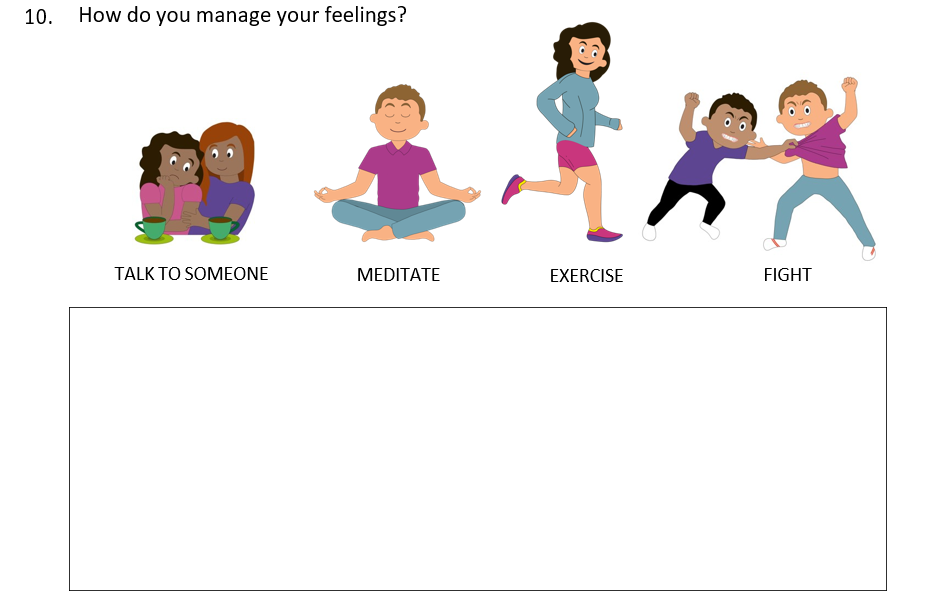
What sets SNAP apart is its use of visual aids and real-world scenarios. The programme was designed with accessibility in mind, particularly for individuals with learning difficulties, neurodivergence, or barriers to verbal or written communication. The visual content helps demystify complex ideas, allowing for stronger engagement, retention, and participation.
Why SNAP Matters
Many families involved in care proceedings or statutory intervention have experienced generational trauma, social marginalisation, or unmet support needs. For these parents, traditional assessments can feel intrusive or overwhelming. SNAP offers a different approach. It is not just evaluative, but supportive and developmental.
The programme helps professionals understand not only what a parent does, but why they do it. This insight is crucial in determining risk, building protective factors, and shaping recommendations for court or local authority teams. It also allows parents to demonstrate change over time, with tangible evidence of progress in their thinking and behaviour.
Impact on Parenting Capacity
SNAP has been pivotal in transforming the way we observe and support parenting within the family home. For parents, it builds:
- Confidence in their ability to meet their child’s needs
- Awareness of where things have gone wrong and how to repair them
- Ownership of their parenting role and future planning
For children, it provides a more stable, nurturing environment where their caregivers are better equipped to meet their physical, emotional, and developmental needs.
Where SNAP Fits Within Our Work
SNAP is frequently delivered alongside other elements of our Advanced Plus service model, including the Teaching, Observation, and Practice (TOP) programme and 24/7 in the Home Programme. Together, or apart, these services offer a holistic, relationship-led approach to assessment and intervention, underpinned by social work values and evidence-informed tools.